- Support: Mon - Sun: 9am - 11pm
- Contact: info@evolutionsupportservices.com
- Get Help: 647-339-2181

Understanding Ontario’s Respite Funding: A Guide for Families
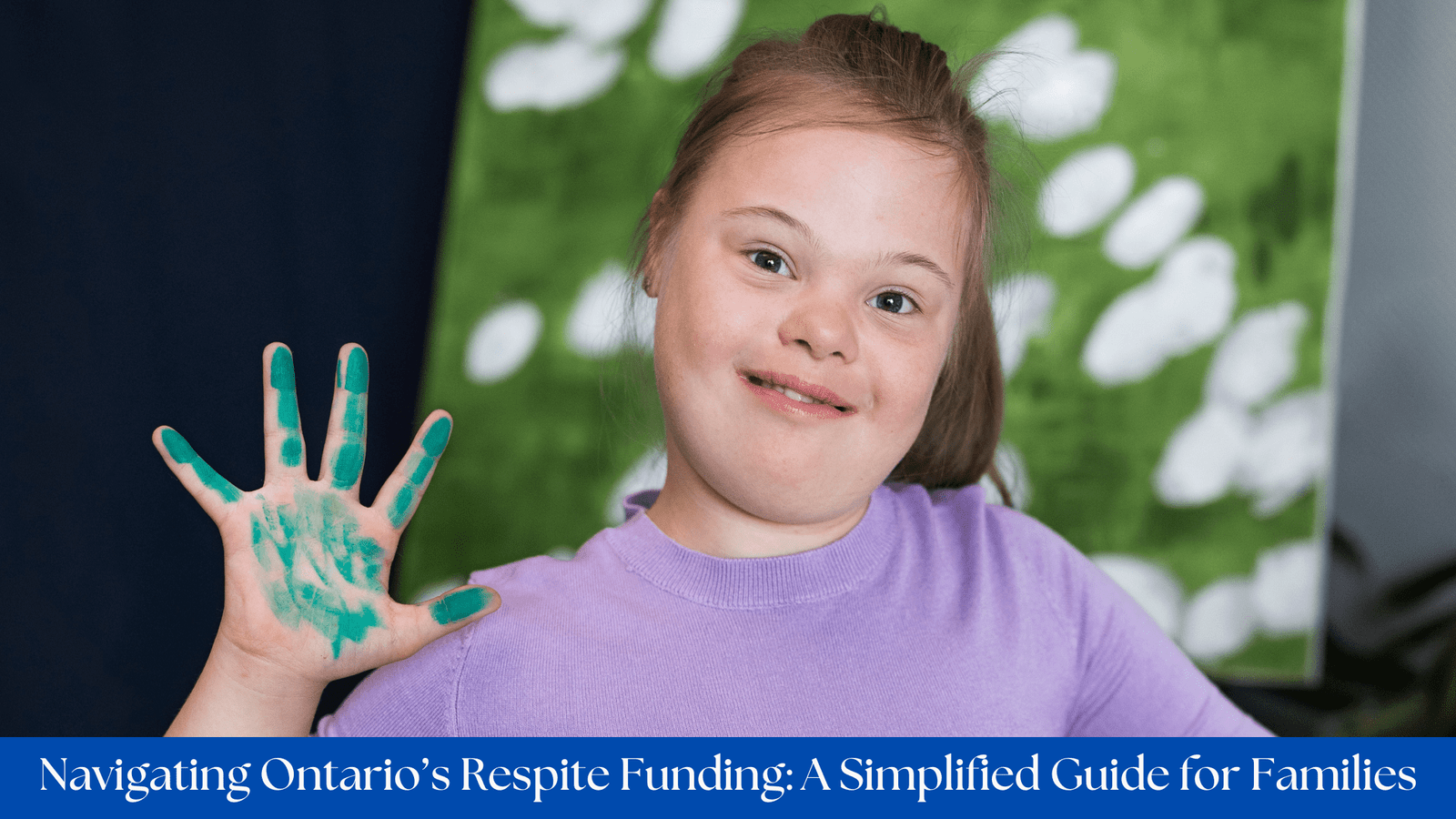
Raising a child with special needs in Ontario is a journey filled with immense love, dedication, and unique challenges. One of the most crucial supports for many families is respite care – a vital break that allows caregivers to recharge, attend to other family needs, or simply rest. However, understanding how to access funding for these essential services can often feel like navigating a complex maze.
At Evolution Support Services, we believe every family deserves accessible support. That’s why we’ve put together this simplified guide to some of the key provincial funding programs that can help make respite care a reality for your family here in Ontario.
1. The Passport Program: Your Gateway to Community Participation & Respite
The Passport Program is a provincial initiative designed to help adults (18+) with a developmental disability be more involved in their communities and live as independently as possible. While primarily for adults, it’s crucial for families with youth approaching adulthood to understand this program.
What it Covers: Passport funding can be used for:
- Community Participation: Activities that help individuals learn new skills, volunteer, or participate in recreational programs.
- Activities of Daily Living: Supports to help with daily tasks.
- Respite Services: This is where it directly benefits caregivers, allowing for short-term relief from caregiving duties.
Key Things to Know for Respite:
- Eligibility: Individuals must be 18 years or older and have a developmental disability. In some cases, youth transitioning out of high school may be eligible.
- How it Works: Once approved, individuals receive an allocation of funds to purchase services from approved providers (like Evolution Support Services, if you’re an approved Passport vendor) or directly hire staff.
- Where to Apply: Contact your local Developmental Services Ontario (DSO) office. This is the single point of access for all provincially funded adult developmental services.
2. Special Services at Home (SSAH): Supporting Children & Youth
The Special Services at Home (SSAH) program is a critical resource for families caring for a child with a developmental or physical disability who is under 18 years of age.
What it Covers: SSAH helps families pay for special services in the home or community to support the child’s development and independence. This explicitly includes:
- Personal Development & Growth: Activities that help the child develop new skills.
- Relief to Parents/Guardians (Respite): Funds can be used to pay for in-home or out-of-home respite care, giving parents a much-needed break.
Key Things to Know for Respite:
- Eligibility: Children must be under 18 and have a developmental and/or physical disability.
- How it Works: Families apply, and if approved, receive funds directly to purchase services. They have the flexibility to choose their service providers.
- Application Process: Applications are typically submitted to your local Ministry of Children, Community and Social Services (MCCSS) regional office. Waitlists can vary, so it’s advisable to apply as soon as possible if you believe you qualify.
3. Assistance for Children with Severe Disabilities (ACSD): Financial Relief for Families
The ACSD program provides financial support to parents caring for a child with a severe disability who is under 18 years of age. While not direct respite funding, it’s a vital support that can free up family funds that might then be used for respite.
What it Covers: ACSD provides monthly financial assistance to help with some of the extra costs associated with caring for a child with a severe disability, such as:
- Travel to appointments
- Specialized clothing
- Some over-the-counter medications or supplies
Key Things to Know:
- Eligibility: The child must have a severe disability, and the family must meet specific income requirements.
- How it Works: Funds are paid directly to the family.
- Application Process: Apply through your local MCCSS regional office.
Beyond These Programs: Other Avenues to Explore
- Charitable Organizations: Many local and national charities (e.g., specific disability associations) offer grants or funding for respite or specific therapies. Don’t hesitate to research these.
- Private Insurance: Check if your private health insurance plan offers any coverage for support services or therapies that could indirectly free up funds for respite.
- Direct Payment: If funding programs are not an option or don’t cover all your needs, consider direct payment for services. Many providers, like Evolution Support Services, offer flexible options.
Empowering Your Family’s Journey
Navigating these systems takes time and persistence, but the support they offer can be truly life-changing for families in Ontario. At Evolution Support Services, we are committed to providing exceptional respite care and being a resource for your family. We can often help guide you through understanding these programs and how our services align with them.
Don’t let the complexity deter you. You deserve support, and your child deserves the best possible care.