- Support: Mon - Sun: 9am - 11pm
- Contact: info@evolutionsupportservices.com
- Get Help: 647-339-2181

How Sports Activities Help Kids with Autism Thrive
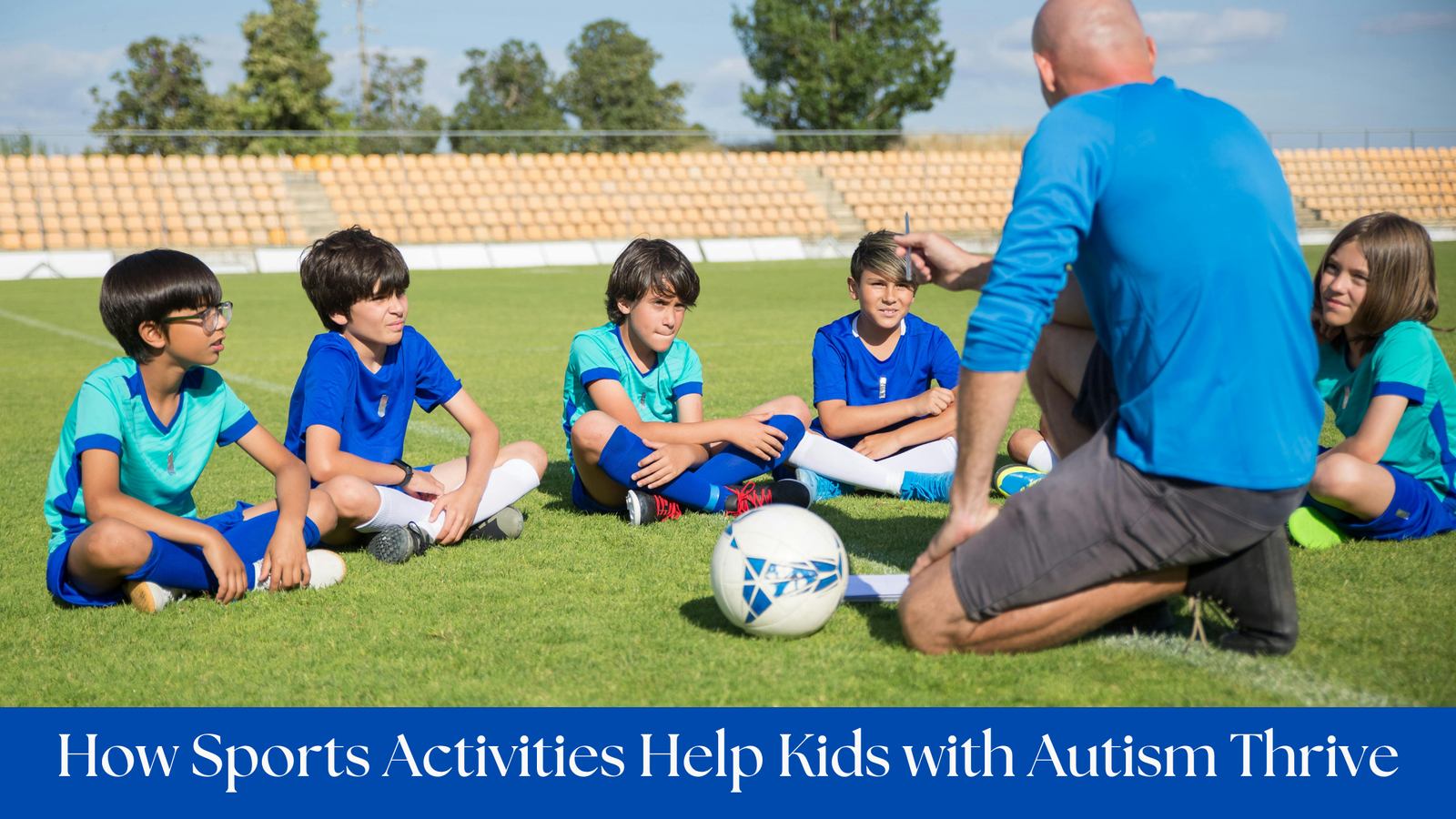
For many children, sports are more than just a game — they’re a way to build friendships, stay active, and learn valuable life lessons. For kids with autism, sports can be a powerful tool for growth, providing not only physical benefits but also critical opportunities for social development, emotional regulation, and confidence building.
Let’s explore how sports can support children on the autism spectrum — and why thoughtful, inclusive coaching makes all the difference.
1. Structured Environments Help Autistic Children Thrive
One of the key reasons sports are so beneficial is their structure. Most team sports come with clear rules, predictable routines, and defined roles — something many autistic kids naturally gravitate toward. While unstructured play might be overwhelming or confusing, the framework of sports offers comfort and clarity.
For instance, a child who struggles with free-form games on the playground might feel more secure in a soccer match where the objective is clear, the field has boundaries, and everyone has a position.
2. Boosting Social Skills Through Teamwork
Socializing can be one of the most challenging aspects of daily life for autistic children. They may want friends but struggle with the “unwritten rules” of social interaction. Sports help bridge that gap.
In a team setting, kids learn how to:
- Take turns
- Read social cues in a structured context
- Communicate toward a shared goal
- Practice empathy and sportsmanship
Even something as simple as learning to pass the ball or celebrate a goal can be a breakthrough moment. These experiences help autistic kids feel like they belong — and that sense of belonging can mean the world.
3. Helping with Emotional Regulation and Confidence
Autistic children can face big emotions that are difficult to manage — frustration, anxiety, fear of the unknown. Physical activity is a great way to release that energy in a positive way. Over time, participating in sports can help kids:
- Improve focus and self-control
- Develop better coping strategies
- Feel more in control of their bodies and emotions
Each time they master a new skill or contribute to the team, their confidence grows. With the right encouragement, they begin to see themselves as capable, resilient, and valuable — both on and off the field.
4. Encouraging Inclusivity Through Coach Awareness
Not every coach is trained to work with neurodivergent kids — but even a few small adjustments can make a huge difference.
Coaches can better support autistic players by:
- Giving clear, literal instructions (e.g., “walk” instead of “don’t run”)
- Avoiding idioms and metaphors
- Using visual aids or diagrams
- Creating predictable routines for practices and games
- Assigning pairs or groups instead of leaving kids to choose
Most importantly, coaches should stay in touch with parents or guardians to understand the child’s individual needs and strengths. A simple question like, “How can I best support your child?” opens the door to meaningful collaboration.
5. Sensory Sensitivities: Understanding and Accommodating
Some children on the spectrum experience heightened sensitivity to sound, smell, or touch. The noise of a cheering crowd or the feeling of a sweaty jersey might be overwhelming.
To help with this:
- Allow sensory breaks if needed
- Provide quieter spaces during practice
- Avoid penalizing kids who appear distracted — they might just be regulating themselves
- Let kids use sensory tools like stress balls or fidget spinners during breaks
For some children, even being allowed to dribble a ball while the coach talks can improve focus and ease anxiety.
6. Game Day Anxiety: Planning for Success
The uncertainty of game day — new locations, changes in routine, unexpected substitutions — can trigger anxiety. Coaches can reduce this by:
- Sharing lineups and subbing plans with parents in advance
- Setting clear expectations for roles
- Explaining that plans might change (and that this is okay)
Knowing what’s ahead can help autistic kids feel prepared and calm. When they know they’re not being subbed out for “bad performance,” but as part of a plan, their confidence and emotional regulation improve.
Sports can be life-changing for kids with autism — not just physically, but socially and emotionally, too. With compassionate coaching and a little creativity, we can create an environment where every child feels seen, supported, and celebrated.
Because at the end of the day, it’s not just about scoring goals. It’s about helping every child, no matter their neurotype, find their place on the team.
Want to support neurodivergent children in your sports club or community? Start by listening, learning, and leading with empathy. You don’t need to be an expert — just someone who believes that every child deserves a chance to play, grow, and shine.